Abstract
Making invisible costs felt.
Generative AI has brought unprecedented convenience to everyday life, yet this technological leap comes at a significant environmental cost — powering every digital request demands a massive yet largely invisible energy infrastructure.
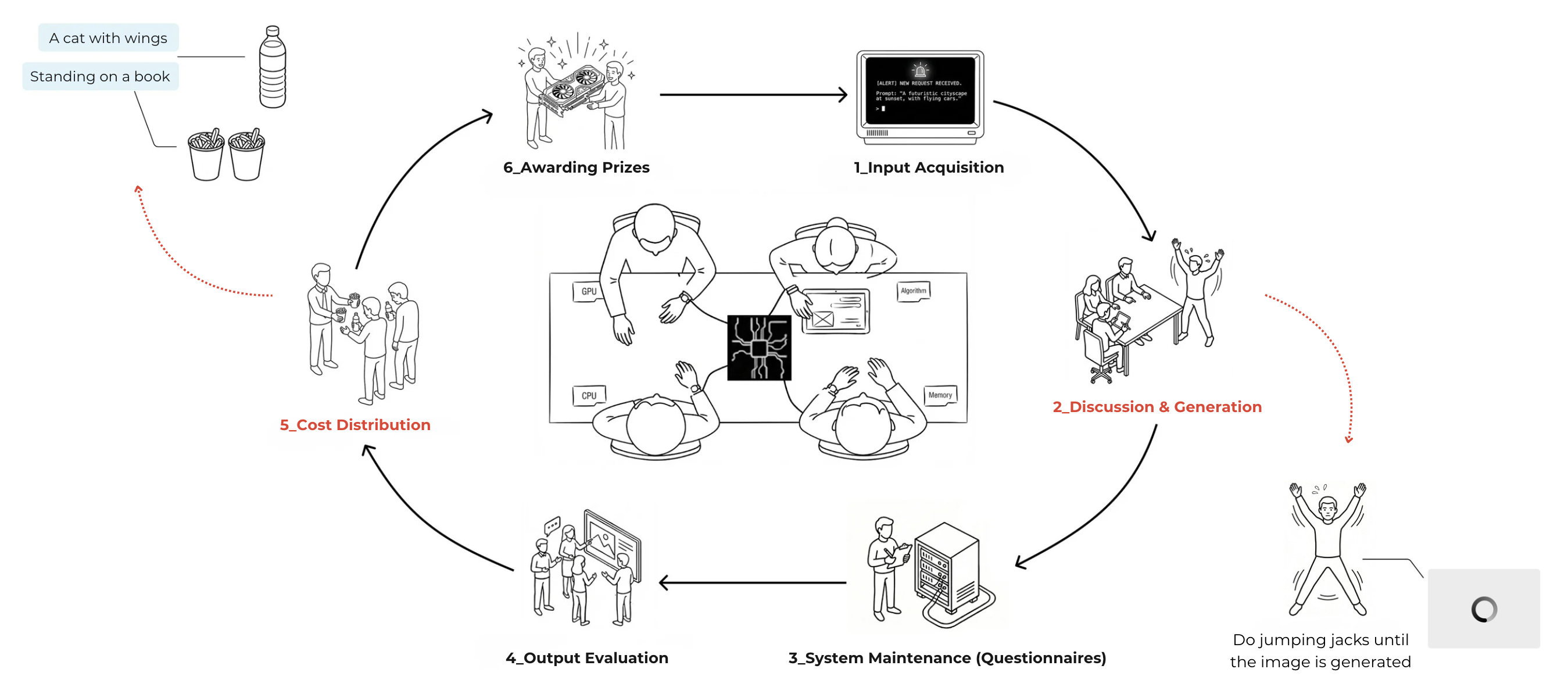
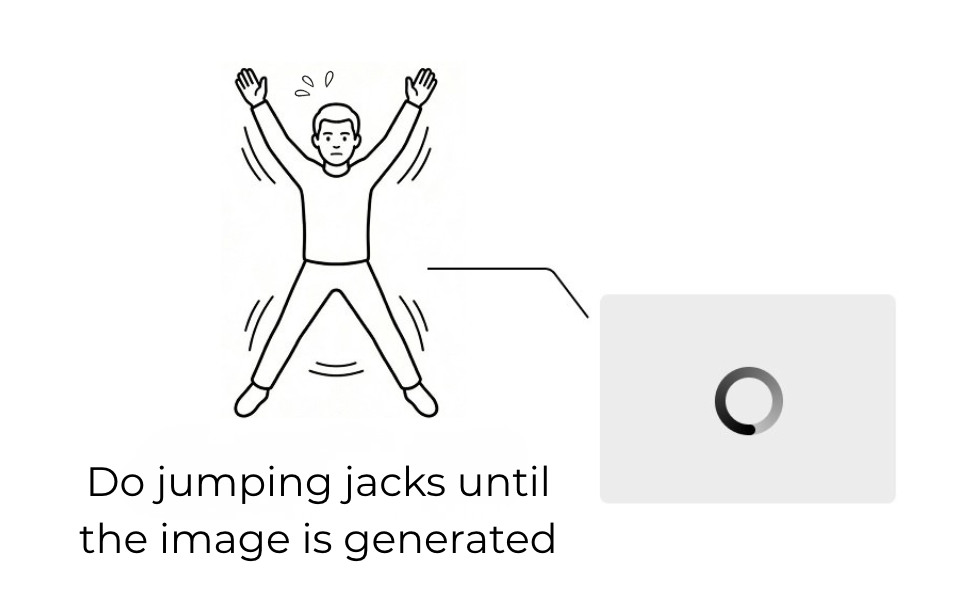
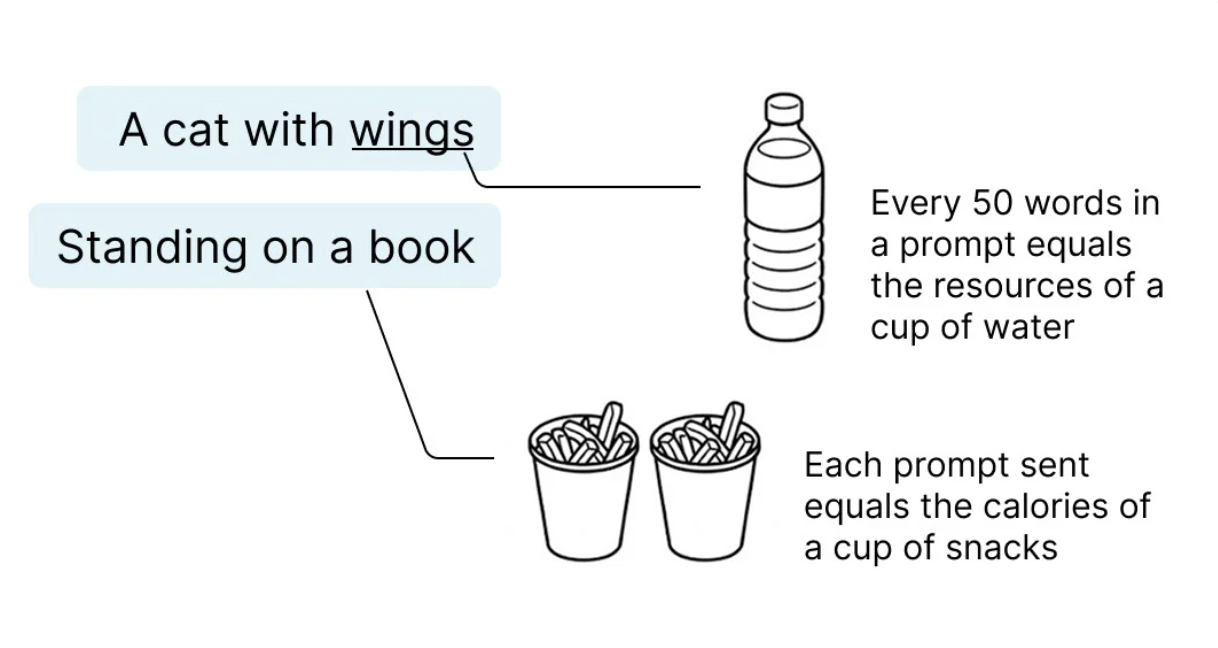
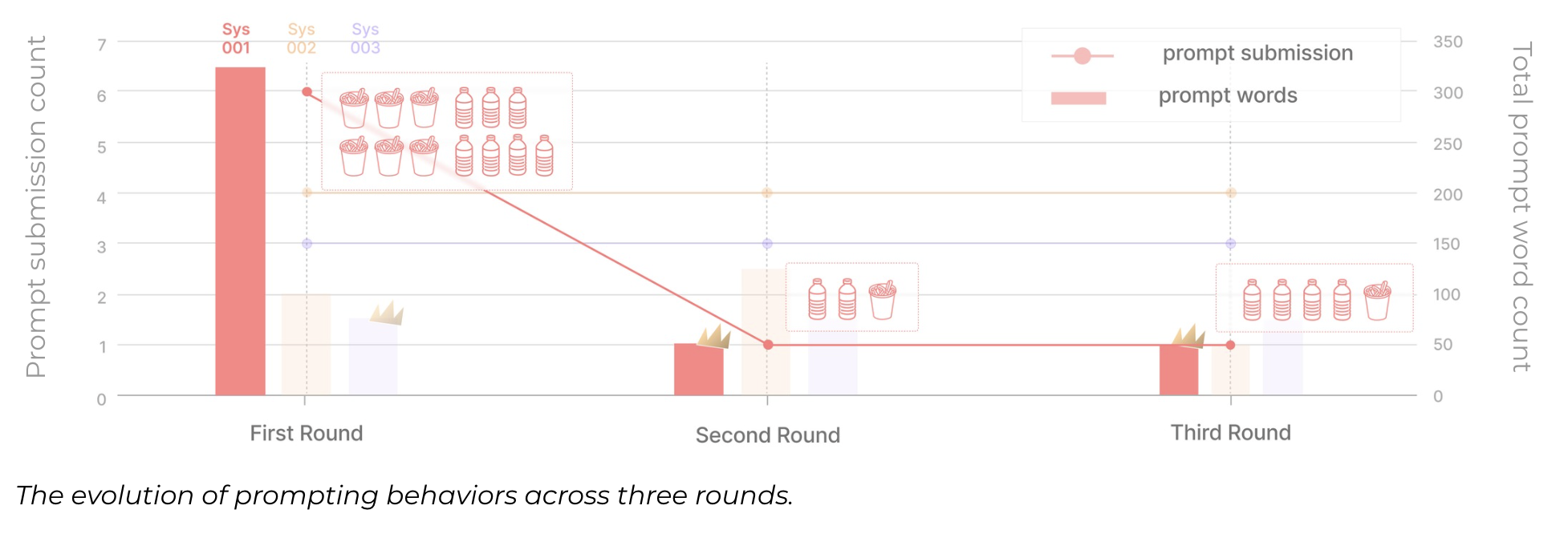
To explore ways of raising user awareness and prompting reflection on this issue, we conducted a design fiction workshop where 13 participants physically enacted computational labor, translating GPU latency into physical exertion and energy consumption into caloric intake.
This somatic engagement successfully rendered the abstract weight of consumption palpable, serving as a critical provocation against the frictionless interaction for generating AI content. We invite the community to further explore new forms of human-AI interaction that creatively yet reflectively engage with AI's environmental impact.
Motivation
When friction hides the footprint.
Global data center electricity consumption reached approximately 415 terawatt-hours in 2024 — roughly 1.5% of total global electricity consumption — and is projected to double by 2030, with AI identified as the primary driver.
Inference-stage computation accounts for the vast majority of AI's operational energy use, meaning everyday usage patterns directly shape AI's environmental footprint. Recent behavioral analysis reveals these systems are frequently used for non-essential interactions.
Despite growing data on AI's environmental impact, interfaces present computing power as an infinite resource, masking heavy infrastructure and energy costs behind every keystroke. This seamlessness fosters mindless trial-and-error, causing even environmentally conscious users to waste resources unintentionally.